What's the difference between serviced, managed and leased offices?
Finding the right office for 10 desks — or a much larger team — should be straightforward. It's familiar territory for us, but if you're doing it for the first time, the options can feel anything but simple.
There are several ways to take office space, and contracts can come with plenty of detail to get your head around. It can also feel as though you're being asked to make long-term decisions about your company's size and future before you're ready to commit.
The market has changed, too. Traditional leases were once the default, but serviced and managed offices have become increasingly common, giving businesses more choice and flexibility.
A useful first step is to understand the main ways of securing an office. Here's a straightforward guide to the options you're most likely to come across.
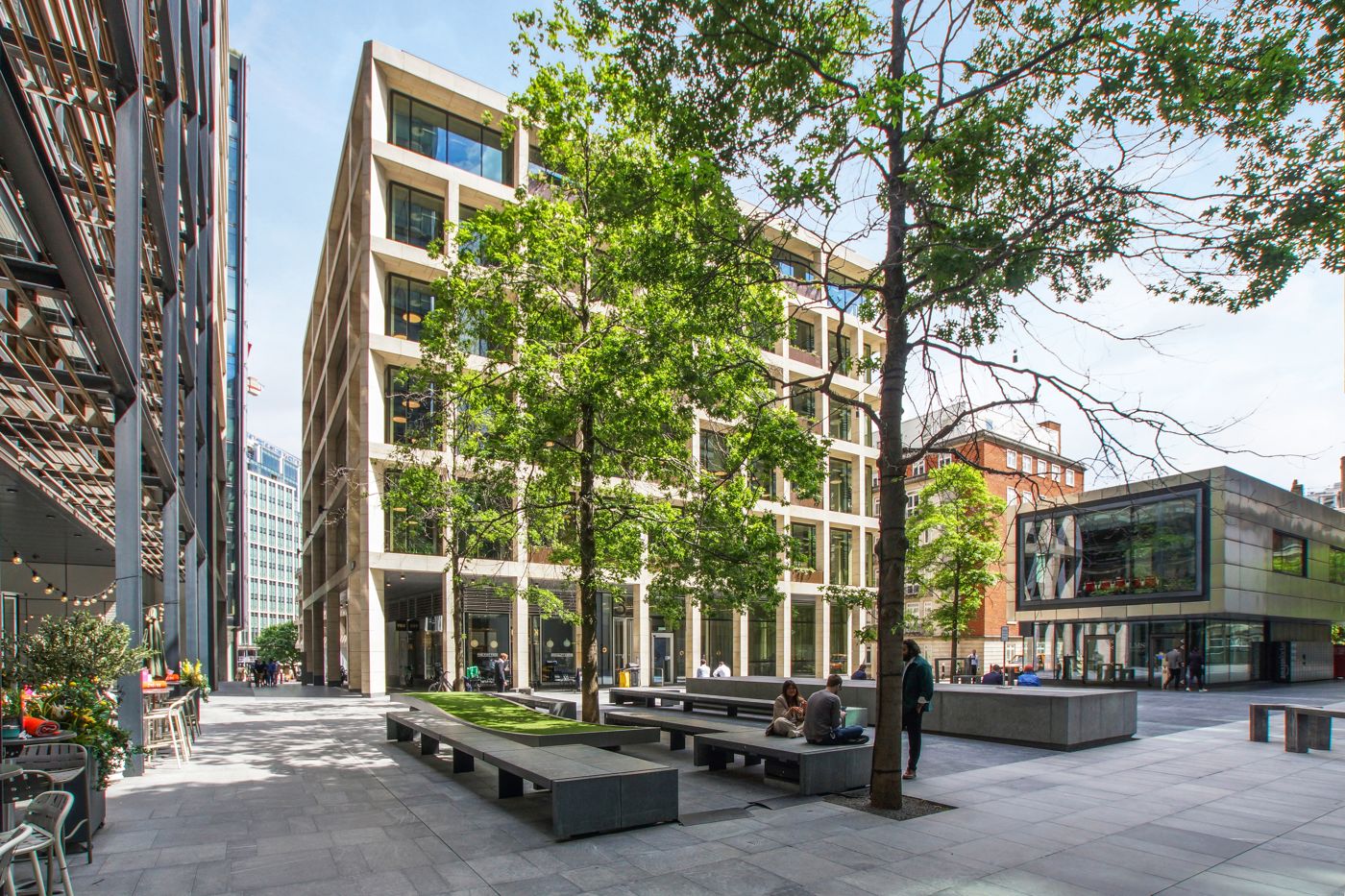
Serviced office — the flexible, low-hassle option
Think of an office that's ready for you to use, with the provider taking care of most of the day-to-day essentials. The space is usually furnished, shared facilities are available, and practical tasks like cleaning and post handling are done for you.
In our experience, this can work particularly well for businesses that are expanding quickly or establishing themselves in a new market.
| Typical size | 5–100 desks |
| Space per desk | 30–45 sq ft per person |
| Typical term | 3–24 months |
| Licence or lease | Usually a licence |
| What the price includes | Often rent, business rates, service charge, utilities, maintenance, internet or IT, furniture and access to shared facilities such as meeting rooms or phone booths |
| What may cost extra | Printing, premium internet packages and specialist IT support, among other services |
| Deposit | Around two months' rent |
| How soon can you move in? | Often quickly, sometimes immediately |
Not sure where to start? Have a quick chat with us.
Learn moreManaged office — your own space, with support
A managed office can offer the feel of a traditional lease while leaving more of the setup and ongoing support to an operator. It's a good option for businesses that want their own identity and culture in the space without having to manage every detail themselves.
The provider will often take care of the fit-out and initial configuration, although you may still need to arrange some services that would normally come with a serviced office.
| Typical size | 20–300 desks |
| Space per desk | 45–65 sq ft per person |
| Typical term | 1–3 years |
| Licence or lease | Either is possible. The agreement type affects the occupier's rights and obligations. A licence does not normally appear on a balance sheet, can be arranged quickly and avoids Stamp Duty Land Tax (SDLT). A lease may offer different security and rights, while a licence may give the operator more flexibility. |
| What the price includes | The fit-out, layout and many of the services associated with a serviced office |
| What may cost extra | Printing, premium internet or specialist IT, and additional branding or alterations not covered by the monthly fee |
| Deposit | Around two to three months' rent |
| How soon can you move in? | It depends on the space and the level of customisation. A ready-to-occupy office may be available sooner, while a bespoke fit-out can take a couple of months or more. |
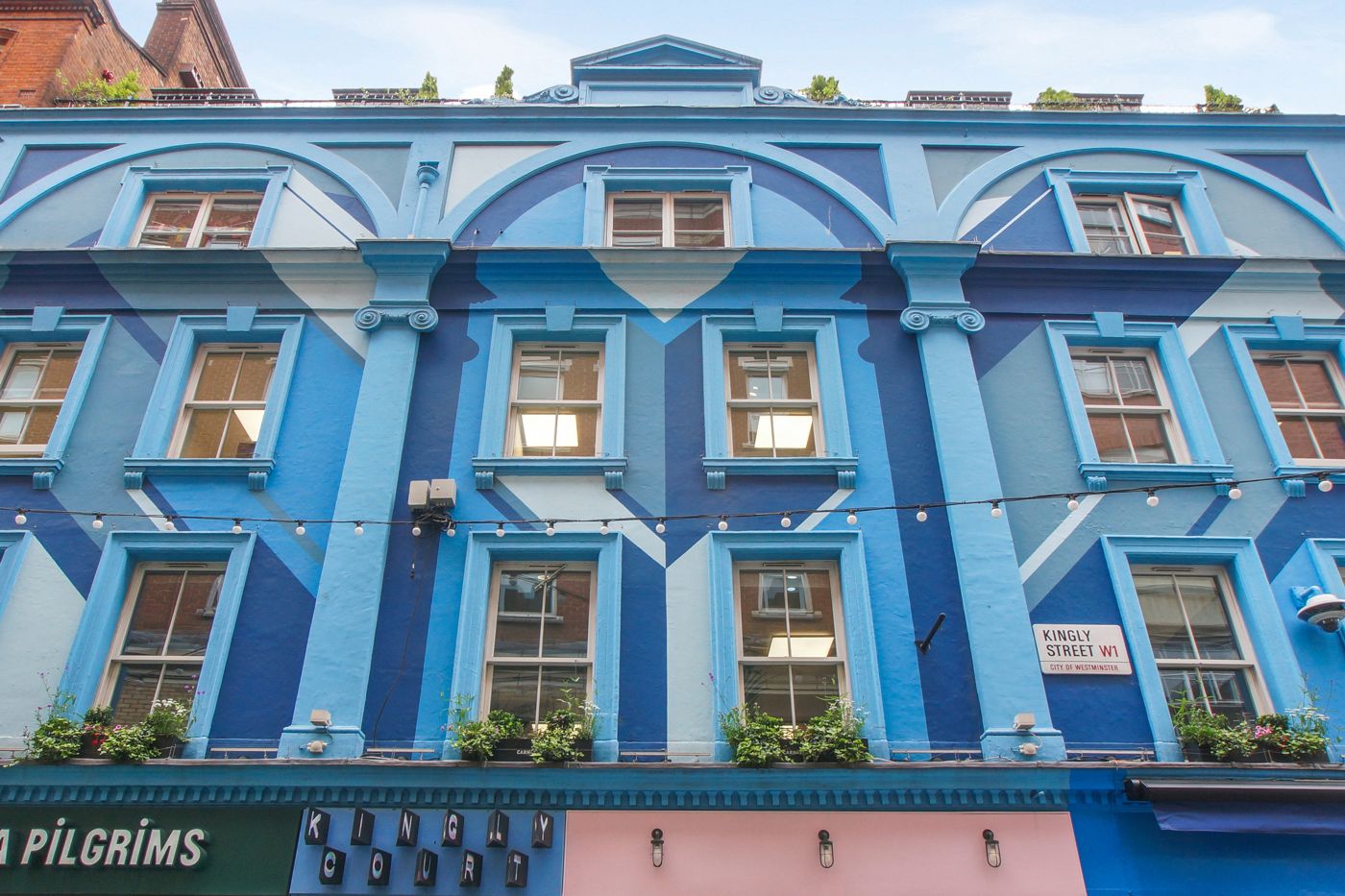
Traditional lease — the option with the most control
If you want to rent directly from a landlord and take charge of how the office is set up, a traditional lease may be the right fit. You'll have greater control over the space, but you'll also have more to coordinate before it's ready for your team.
Your business will generally need to arrange more of the day-to-day services itself, from cleaning to kitchen supplies. This route is often best for businesses that value control and have a reasonably clear idea of the space they need.
| Typical size | 50–1,000 desks |
| Space per desk | 75–90 sq ft per person |
| Typical term | 3–15 years |
| Licence or lease | Lease |
| What the rent includes | The right to occupy the premises; many other costs are payable separately. Landlords sometimes offer rent-free periods at the start of a lease, which can help with the initial cost of moving or fitting out the office. |
| What isn't included | You'll usually need to budget separately for business rates, service charge, utilities, fit-out and legal fees. |
| Deposit | Six to twelve months' rent. At lease end, you may also need to pay to remedy disrepair or reinstate alterations, depending on your obligations (dilapidations). |
| How soon can you move in? | Allow for a lead-in period of several months where a fit-out or new IT installation is needed. |
Not sure which option is right for you?
We can walk you through the options and help you find the right space for your team, without the jargon.
Learn more